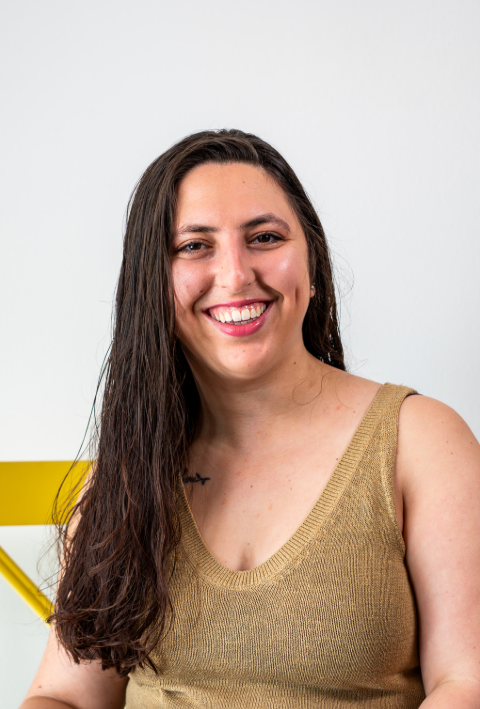
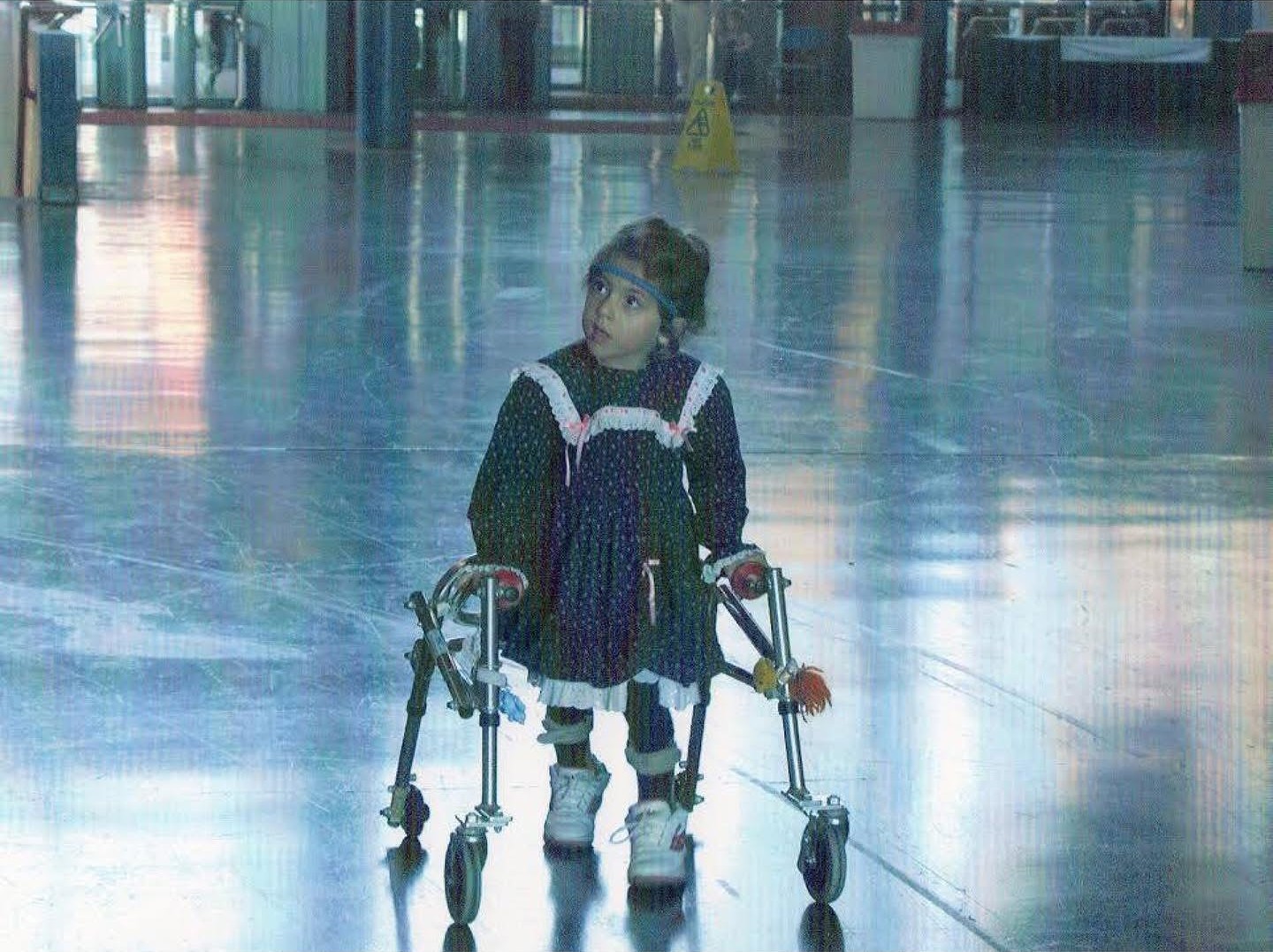
The people expected to teach me how to be in the world- teachers, doctors, family members- could not teach me how to be disabled. This is not their fault, as the tools for this simply did not exist when I was born prematurely in 1997, or the years following. They did their best, but that ‘best’ left me with platitudes where I needed meaningful guidance and an understanding of my own identity.
It wouldn’t be until young adulthood that I would meet and build a diverse community of disabled elders, who would teach me what it means to be disabled - culturally, ancestrally, financially, politically, and practically.
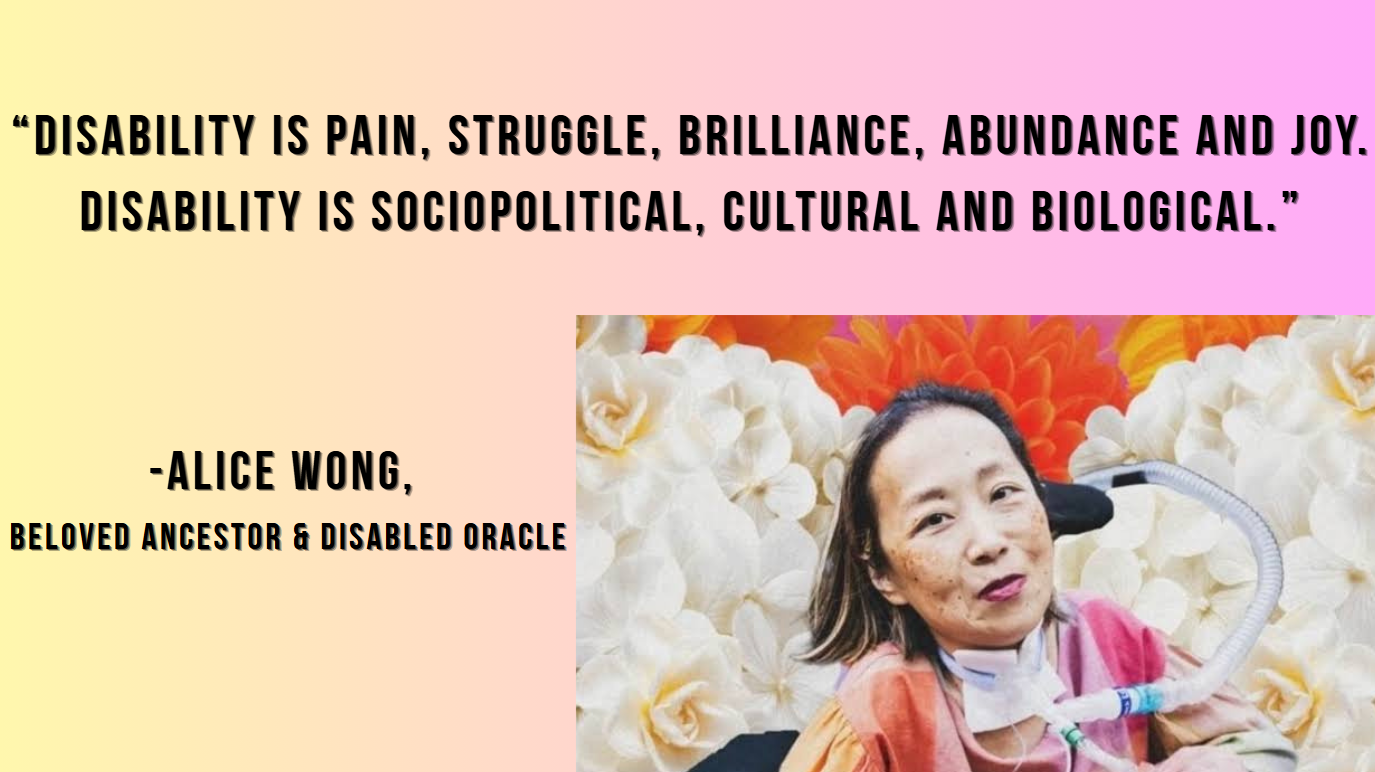
Again and again, I am shown that this lack of guidance, cultural competency, and role modeling is the norm, not the exception, among disabled people. But I have seen through the disabled people-- "crips"-- who kindly mentored and educated me, that it doesn’t have to be this way. Disabled community has the capacity to parent one another; to fill the gaps; to map our own futures. But in order to make this the norm, we need to scale containers for this kind of mentorship, care, and political education. That’s where Crip Abundance Network (CAN) comes in.
In order to make this the norm, we need to scale containers for this kind of mentorship, care, and political education. CAN's three programs support the U.S disability community holistically; providing our caregivers, our newest members, the knowledge of our mentors, and our with political, cultural, and technical knowledge as well as accessible paths to supplemental income to disrupt economic disparities.
Active support frameworks measurably increase disabled people learning skills and reaching self determination (National Institute of Health, 2020).
80% of people with intellectual/developmentally disabled folks live with family caregivers, the majority of whom lack the support and resources to plan for future care (FINDS Community Report, 2017).
CAN uses the word crip intentionally as a reclaimed identity rooted in disability pride and resistance. Historically used as a slur, “crip” has been reclaimed by many disabled people as a way to challenge shame and name disability as a political and cultural identity rather than a deficit. Pioneers of crip culture include Leroy Moore and Caitlin Wood. CAN uses language that moves away from shame and euphemisms and instead embraces disability as a rich, diverse culture and community that informs the lives of those who live it.
“Abundance” reflects the belief that disabled people deserve more than survival: we deserve rich community, accessible support, leadership that reflects those most impacted, and the resources to shape our lives on our own terms.
“Network” reflects how that care is built through relationships, across generations, and among disabled people, families, and allies who share knowledge, support, and power.
The acronym 'CAN' reflects the guiding belief that in community, more is possible - together we can.
Building community-based social support systems for disabled people and our families.